
Railroad Accident Attorney in Maine with Over 25,000 Victories
For over 50 years, the Law Offices of Joe Bornstein has fought aggressively for injured railroad workers and train passengers seeking physical, financial, and legal recovery after accidents caused by carrier negligence, track defects, or crossing failures.
Get Your Free Case Evaluation Call for a Free Case Evaluation


No fee unless we win a settlement or a verdict
Free & confidential case evaluation with no obligations
Serving all 16 counties in Maine
Virtual meetings and home visits available
Available day and night for all new and existing clients
Hurt in a Railroad Accident in Maine?
The Maine railroad accident lawyers at our firm represent injured victims across all 16 counties, with seven offices statewide and round-the-clock availability. Whether you were injured as a rail worker in a derailment near Waterville, struck at a grade crossing in Scarborough, or hurt as an Amtrak Downeaster passenger traveling between Portland and Brunswick, we know how to hold railroads accountable under federal and state law.
With Joe Bornstein Law, Securing Justice After a Maine Railroad Accident Is as Easy as 1-2-3
Since 1974, our firm has stood beside injured Mainers and taken on freight carriers, commuter rail operators, and third-party contractors on their behalf. Recovering from spinal cord trauma, traumatic brain injury, crushed limbs, or severe burns is grueling enough without the added weight of fighting a railroad carrier and its legal team on your own, so let us fight for you!
Confidential Free Case Review
Contact us 24/7 to talk for free about the details of your case with a Maine railroad accident attorney. We listen carefully, identify all liable parties, whether a freight carrier, passenger rail operator, track maintenance contractor, or crossing equipment manufacturer, and assess the strength of your claim.
Injury Claim Evaluation
We assess whether your case falls under the Federal Employers Liability Act (FELA) for injured railroad employees, common carrier liability for passengers, or state tort law for third-party victims. We explain how Maine’s modified comparative negligence rule intersects with federal railroad regulations and identify every applicable insurance layer and legal theory of recovery.
Comprehensive Legal Representation
Your Maine railroad accident lawyer will take complete control of communications with railroad claims departments, their insurers, and opposing counsel. We handle every filing, regulatory deadline, and court procedure so you can focus on getting better.
How Joe Bornstein’s Office Can Help with Your Railroad Accident Lawsuit in Maine
Taking on a railroad injury case in Maine involves far more than submitting a basic claim. At Joe Bornstein Law, each case is handled with decades of trial experience and a working knowledge of federal rail safety regulations that directly impact liability and compensation.
Establishing Railroad Liability Under Federal and State Law
Railroad accidents are shaped by a combination of federal rules and state liability laws. These include safety standards enforced by the Federal Railroad Administration, covering areas like signaling systems, crew limits, and track conditions. We build your case by showing where the railroad failed to meet those obligations, whether through poor maintenance, inadequate training, or malfunctioning equipment.
Analysing Every Applicable Insurance and Liability Source
Depending on the nature of your railroad accident, multiple coverage layers may apply: the carrier’s liability insurance, a contractor’s general liability policy, a crossing equipment manufacturer’s product liability coverage, or a government entity’s self-insurance fund if a public crossing was involved. We audit every available source to ensure no compensation goes unclaimed.
Handling Medical Liens and Insurance Claims
Your Maine railroad accident lawyers negotiate with providers and insurers, including Medicare, MaineCare, and private carriers, to reduce outstanding liens. When applicable, we rely on established legal principles to ensure that a fair portion of the recovery remains with you after all obligations are resolved.
Building a Case for Full Damages
Serious railroad accidents often result in life-changing injuries, including spinal trauma, amputations, or long-term neurological damage. To support these claims, we work with specialists across multiple disciplines, including engineering experts, medical professionals, vocational analysts, and life care planners. This allows us to document the full impact of the injury, from long-term medical needs to reduced earning capacity and overall loss of quality of life.
Strategy and Trial Preparation
Every case we handle is prepared with trial in mind. After a railroad accident, insurers may delay, dispute liability, or attempt to minimize the value of the claim. We address these tactics directly by building a case that can withstand scrutiny in court. If a fair settlement is not offered, Joe Bornstein’s office is ready to pursue the case in either state or federal court to secure appropriate compensation.
The Law Offices of Joe Bornstein Bring Legal Support to You, Anywhere in Maine
Severe injuries like amputations or traumatic brain trauma can make even short travel difficult. If you’re recovering at home, in a rehab center, or in the hospital and can’t meet in person, our team will come to you, wherever you are in Maine.
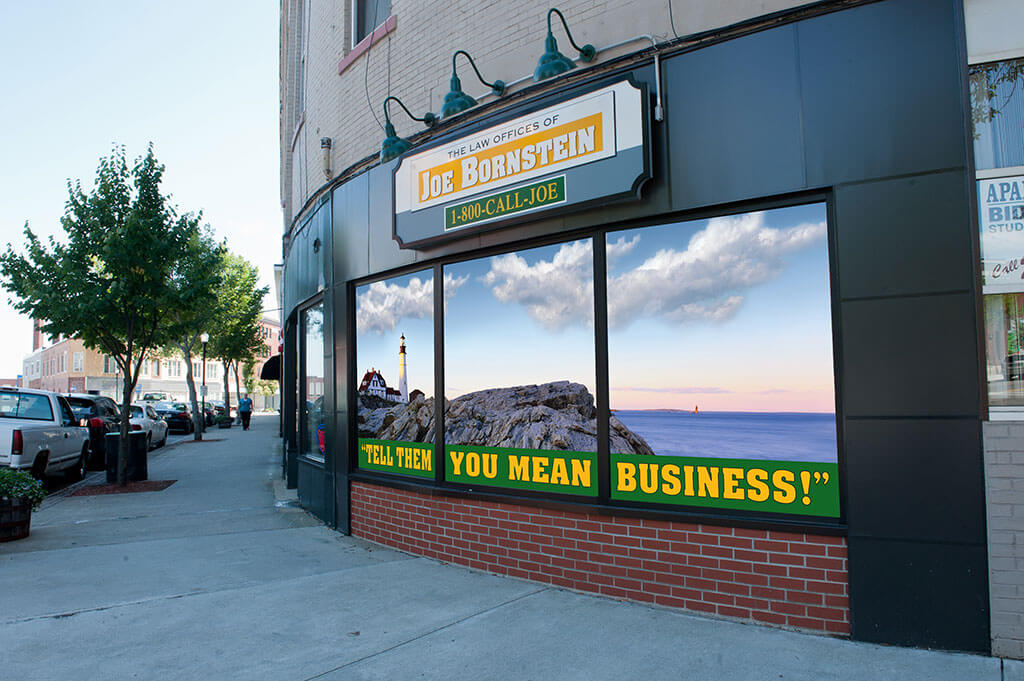
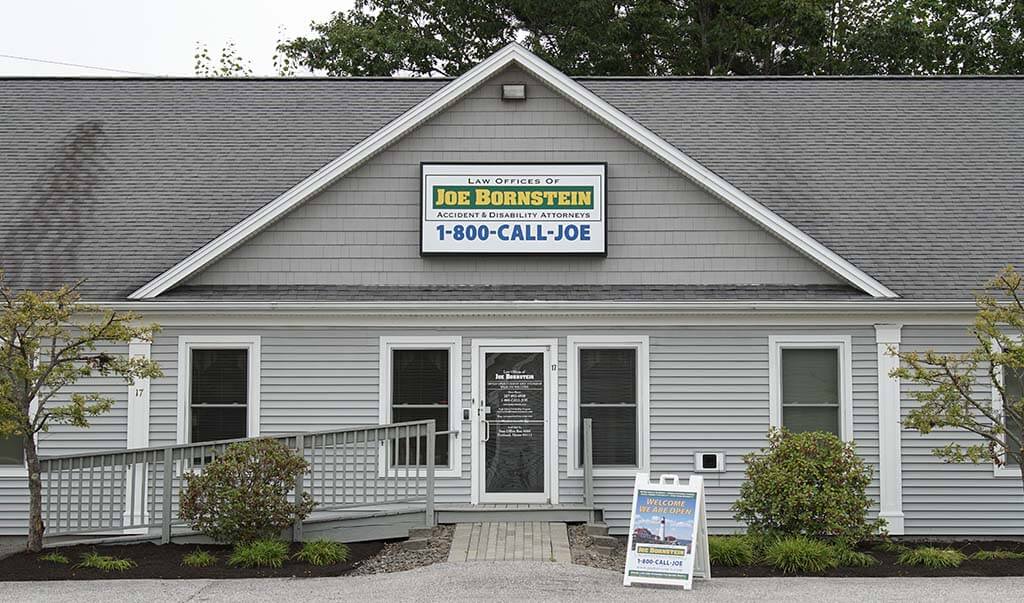
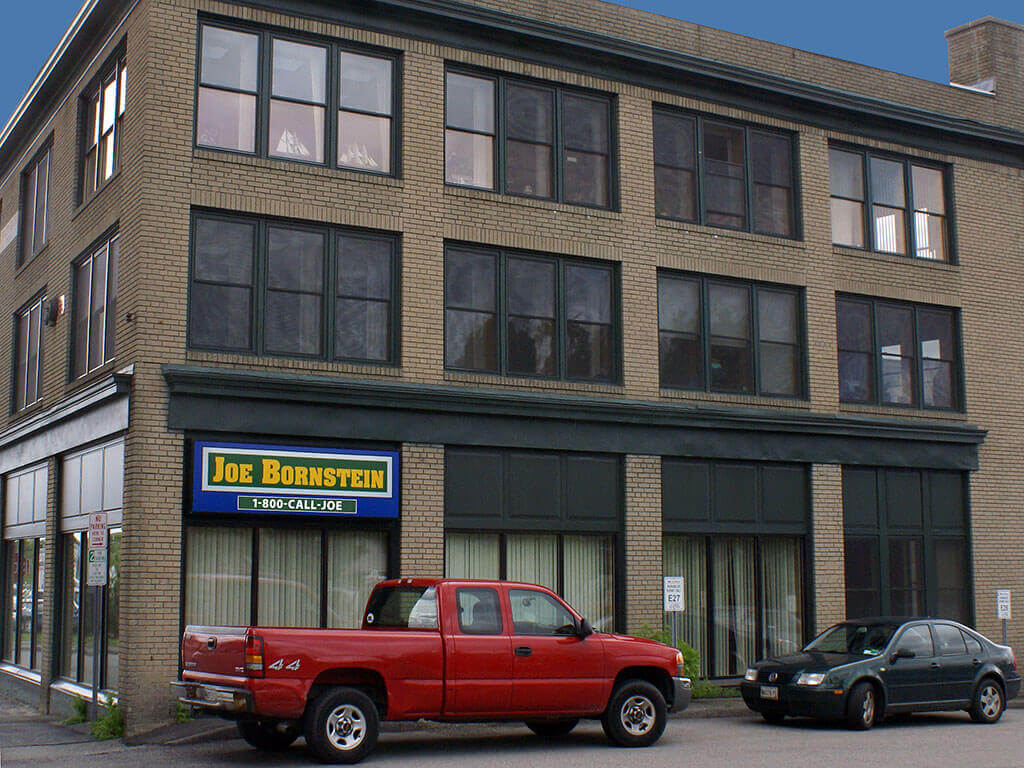
From the rail yards in Portland to the freight corridors running through Aroostook County, skilled legal representation for railroad accident cases is available across Maine. A free case review puts you in touch with Maine railroad accident attorneys who know the state’s rail network, are familiar with courts in all 16 counties, and handle the procedural requirements tied to FELA and common carrier claims.

Maine’s Most Trusted Railroad Accident Lawyers
When a railroad accident causes serious harm, the firm you choose has a direct impact on the outcome. Since 1974, the Law Offices of Joe Bornstein has handled complex claims against freight companies, passenger rail operators, and their insurers, combining legal experience with a deep understanding of railroad safety regulations.
Recognition of Excellence
Our Maine personal injury attorneys hold widely recognized distinctions within the legal field, reflecting both skill and ethical standards:
- AV Preeminent Rating from Martindale-Hubbell
- Best Lawyers in America – Personal Injury
- Super Lawyers – Maine Personal Injury
- National Trial Lawyers – Top 100
Fierce Advocacy
From the start, we position your case to be taken seriously. Railroad companies and their insurers are used to minimizing claims, but we build cases that reflect the full extent of the damage, including medical treatment, lost income, and long-term impact. At The Law Offices of Joe Bornstein, low settlement offers are not accepted when they do not match the reality of the injury.
Local Legal Experience
Every member of our legal team is based in Maine, which matters in cases like these. We work within the framework of the state’s modified comparative fault rule under 14 M.R.S. § 156, understand when the Maine Tort Claims Act applies to public crossings, and account for how Maine’s six-year filing window interacts with the three-year deadline under the Federal Employers’ Liability Act. This level of familiarity allows us to anticipate defense strategies and respond effectively.
No Fee Unless You Win
There are no initial fees to start your case. Payment is only required if compensation is recovered through settlement or verdict, and our fee is taken from that result.
24/7 Responsiveness
Railroad accident claims require timely action, and we maintain that pace throughout. You will always have access to your legal team, with clear updates and responses at every stage of the process, from intake to resolution.
Joe Bornstein’s Office Fights for Your Right to Compensation after a Railroad Accident in Maine
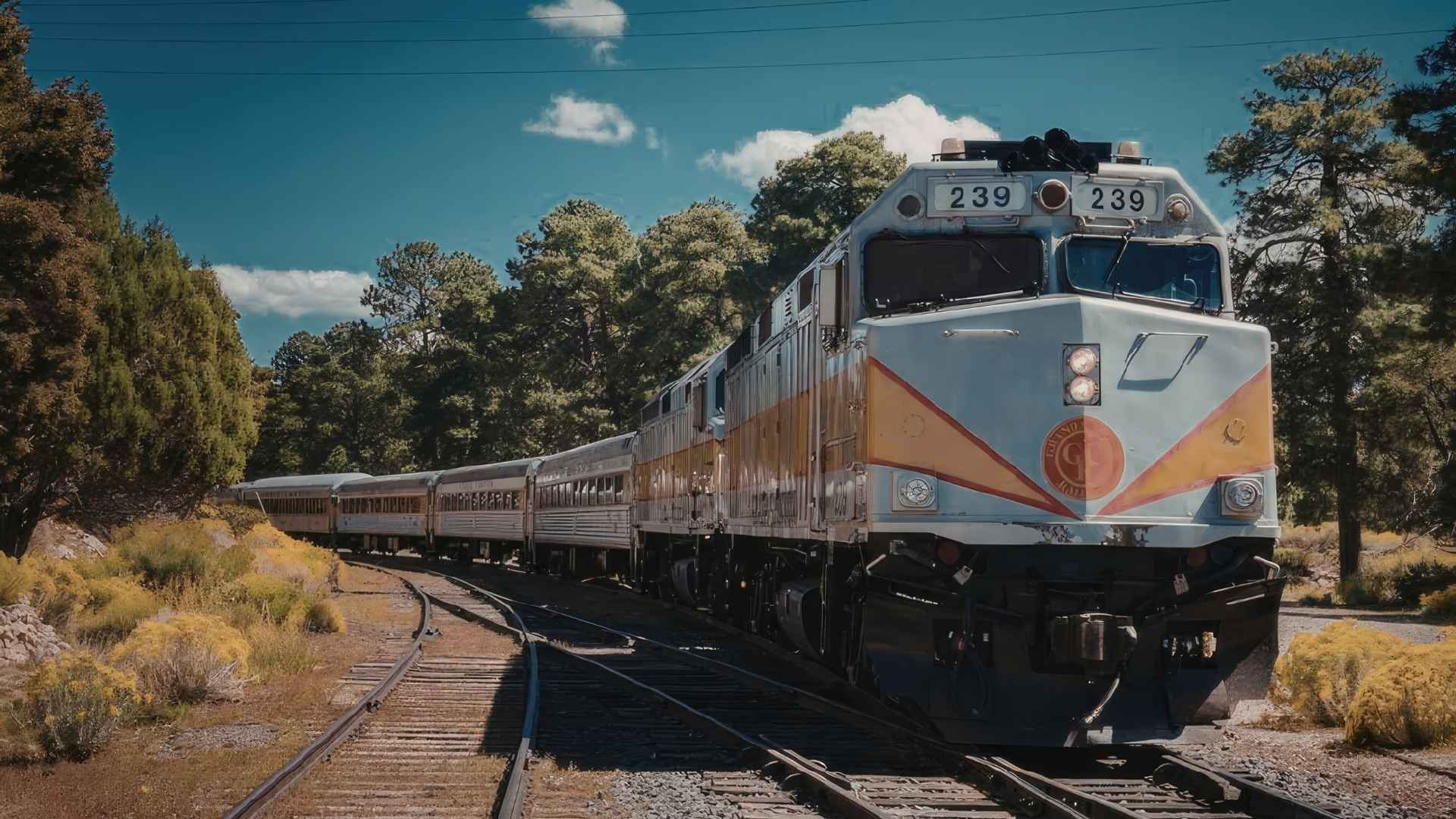
Railroad accident law in Maine gives injured victims multiple avenues for financial recovery, depending on whether you were a railroad employee, a passenger, or a third-party injured at a crossing.
- FELA claims for railroad workers: Injury to a railroad worker is governed by a different set of laws than those pertaining to a passenger injured in a train accident. The Federal Employers Liability Act (FELA), codified at 45 U.S.C. §§ 51–60, allows injured railroad employees to recover compensation by proving the carrier’s negligence contributed in any part to the injury. Even if that worker’s responsibilities or actions may have contributed in part to the injury, they are still entitled to compensation if the worker can demonstrate that negligence on the part of the railroad was also a cause.
- Common carrier liability for passengers: Most people injured aboard trains are railroad workers involved in a workplace accident. However, passengers sometimes sustain injuries. It’s important to know that railroad companies must follow safety regulations to ensure the well-being of passengers.
- State tort claims for crossing accidents: Where a railroad crossing collision injures a motorist, pedestrian, or cyclist, Maine tort law governs. Railroad carriers are bound to adhere to regulations regarding railroad crossing safety under 49 C.F.R. Part 234. These measures extend to the train’s crew members, who have obligations they must meet in order to avoid professional negligence, such as sounding the horn when approaching certain crossings in high-population areas. We pursue every responsible entity, including the railroad, the crossing equipment manufacturer, and, where applicable, the government entity responsible for crossing maintenance.
- Civil lawsuits: When insurers refuse to make a fair offer, a railroad accident attorney in Maine can file suit and pursue a court-ordered judgment for the full extent of your damages. Any delay in pursuing your case may reduce the amount of your settlement.
$750 Million+ Recovered for Maine Families
Our record of results reflects decades of strategic representation against national insurance carriers and local defense firms.
- $6 million for a car accident injury victim from Livermore
- $3.75 million for a truck accident injury victim from Bangor
- $2 million for a motorcycle accident injury victim from Hampden
These are not isolated wins, but represent our long-standing commitment to pursuing full and fair compensation for all types of personal injury claims in Maine.
What Types of Damages Are Available in Maine Railroad Accident Claims?
- Economic damages: It can include emergency transport, surgeries, specialized treatment (including burns or orthopedic care), rehabilitation, prosthetics, in-home care, and income lost during recovery. They also cover future costs like ongoing medical treatment, assistive equipment, or retraining if you cannot return to your previous job. In cases involving railroad employees, claims may also include wages and medical expenses not fully covered by employer-provided benefits. In Maine, there is no statutory cap on economic damages in railroad injury claims.
- Non-economic damages: Compensation is also available for the human impact of the injury, including physical pain, emotional distress, permanent limitations, reduced mobility, and the long-term effect on daily life.
- Wrongful death damages: If a railroad accident results in a fatality, Maine law under Maine Revised Statutes Title 18-C § 2-807 allows surviving family members to recover damages for loss of companionship and support. These non-economic damages are capped at $1,000,000 for deaths occurring after 2023 (subject to adjustment), while economic losses, including lost income and funeral expenses, remain uncapped.
- Punitive damages: Additional damages may be awarded in rare situations where the railroad’s conduct goes beyond negligence and shows intentional or reckless disregard for safety, such as knowingly operating unsafe equipment or ignoring repeated warnings. In wrongful death cases, these damages are subject to a $500,000 cap for incidents occurring after October 25, 2023.
Client Testimonials
How Much Is Your Railroad Accident Claim Worth in Maine?

The value of a railroad injury claim depends on a combination of factors, not a fixed formula. These include how serious the injuries are and the cost of treatment, how clearly the railroad’s negligence can be proven, whether any comparative fault is assigned, the available insurance coverage, and the long-term effect on your ability to work and maintain your normal life. Railroad accidents often leave people dealing with consequences they never expected or chose. A free consultation with one of our Maine railroad accident attorneys provides a grounded, case-specific assessment of what your claim may realistically be worth.
Railroad Accident Cases We Handle Across Maine
Maine’s rail infrastructure serves both freight and passenger traffic, creating a range of accident scenarios. We apply detailed knowledge of federal railroad safety regulations and Maine tort law to every case type.
Train Derailments
Railroad accidents may occur for any number of reasons, including train derailment. Derailments can result from track defects or structural defects, broken rails, washouts from spring flooding, or inadequate track maintenance. These catastrophic events frequently cause severe injuries to crew members and, in passenger derailments, to riders. Your Maine railroad accident lawyer will investigate the root cause, whether it is deferred maintenance, exceeding track speed limits, or a structural failure, and hold the responsible carrier accountable.
Grade Crossing Collisions
Collisions between trains and vehicles at grade crossings are among the most common and deadliest railroad accidents in Maine. These occur when crossing signals malfunction, gates fail to lower, sightlines are obstructed by vegetation or structures, or train crews fail to sound the horn as required under 49 C.F.R. § 222. Your railroad accident attorney in Maine will pursue claims against the railroad, the crossing equipment manufacturer, and, where applicable, the Maine Department of Transportation or local municipality responsible for crossing maintenance.
Onboard Fires and Explosions
Railroad accidents may be caused by fire or explosions resulting from electrical or mechanical malfunction, hazardous material leaks, or defective fuel systems. These incidents produce catastrophic burn injuries, smoke inhalation, and toxic exposure. We coordinate with fire investigators and hazmat specialists to establish the sequence of events and identify every liable party, including equipment manufacturers and maintenance contractors.
Platform and Station Accidents
Passengers are sometimes injured on station platforms due to inadequate lighting, broken handrails, slippery surfaces, or gaps between the train and the platform edge. Passenger rail operators owe a heightened duty of care to maintain safe boarding and alighting conditions. We pursue these claims under common carrier liability principles.
Railroad Worker Injuries Under FELA
Types of injuries that may make a railroad worker eligible for compensation include the following: back and neck injuries, burn injuries, fractures, injuries caused by defective machinery, injuries caused by fires or explosions, slipping and falling, and injuries from repeated lifting of heavy equipment. Human error, which may include driver fatigue or communication problems among crew members, also contributes to workplace railroad accidents. FELA claims do not require proof of the carrier’s total fault, only that its negligence contributed in any part to the injury. Your Maine railroad accident lawyer will build the record that establishes that contribution, even in cases where the worker’s own actions played a role.
Crossing Equipment Failures
When a railroad crossing signal fails to activate or a gate malfunctions, the resulting collision with a car, truck, or bus can be devastating. We investigate whether the equipment was properly maintained, whether the carrier complied with FRA inspection requirements under 49 C.F.R. Part 234, and whether the crossing’s design met federal visibility standards.
Pedestrian and Trespasser Accidents
Even where a pedestrian is technically trespassing on railroad property, the carrier still owes a duty to exercise reasonable care once the person’s presence is known or should have been known. We evaluate whether the train crew maintained proper lookout, whether the carrier failed to fence off known trespassing corridors, and whether adequate warning signals were in place.
The Maine railroad accident lawyers at Joe Bornstein Law can assess the circumstances of your incident and map out a practical strategy to pursue both financial compensation and your overall recovery.
Maine Laws That Affect Your Railroad Accident Claim
Railroad accident cases are governed by a specific set of federal and state legal deadlines and statutes. Failing to understand them can permanently bar your right to compensation, regardless of how clear the carrier’s negligence was.

The Three-Year FELA Statute of Limitations
Under the Federal Employers Liability Act (45 U.S.C. § 56), injured railroad workers have three years from the date of injury to file a lawsuit. This deadline is strictly enforced. Waiting is tactically dangerous, as event recorder data is overwritten, witnesses move or forget, and railroad claims departments may grow more aggressive as the clock winds down. Starting your FELA case promptly is a standard approach to protecting your interests.
The Six-Year Statute for Non-FELA Claims
For passengers and third parties injured in railroad accidents who are not covered by FELA, Maine provides six years from the date of the accident to file a personal injury lawsuit under 14 M.R.S. § 752. That said, waiting is still dangerous, and insurance companies may grow more aggressive as the deadline nears.
Modified Comparative Negligence (14 M.R.S. § 156)
Maine uses a modified comparative negligence standard. If you are found partially at fault for your railroad accident, perhaps because you drove around a lowered crossing gate or failed to heed a warning signal, your total recovery is reduced by your percentage of fault. If you are found to be 50% or more at fault, you are barred entirely from recovery. Railroad carriers routinely try to inflate your share of fault to minimize or eliminate your payout. Your Maine railroad accident lawyer will address this directly with evidence.
The 365-Day Notice Rule for Government Property
Under the Maine Tort Claims Act (14 M.R.S. § 8107), if your railroad accident occurred at a crossing or on property owned or maintained by a state or local government entity, you must file a formal written notice of claim within 365 days of the incident. Failure to file this notice on time is generally an absolute bar to recovery. Furthermore, any lawsuit against a governmental entity must be commenced within two years of the incident. Do not rely on exceptions; call for legal guidance immediately.
Wrongful Death Deadlines
If a loved one died as a result of a railroad accident, the personal representative of their estate must file a wrongful death action within three years of the date of death under 18-C M.R.S. § 2-807. The calculation of damages and the potential interplay between economic and other damage claims make immediate legal consultation essential.
Federal Preemption and Crossing Safety Regulations
Railroad crossing safety is heavily regulated by the Federal Railroad Administration under 49 C.F.R. Parts 222 and 234. These federal regulations preempt some state law claims, but not all. Your Maine railroad accident attorneys will handle this complex preemption landscape to identify viable legal theories of recovery, whether under federal safety standards, state tort law, or both.

Call Joe Bornestein’s Office Today to Start Your Railroad Accident Claim in Maine
Contact the Law Offices of Joe Bornstein to start your railroad accident claim with a team that has represented injured Mainers for over 50 years. We bring strong advocacy, clear knowledge of applicable laws, and direct, consistent attention to every case. You will always be treated as a person, not a case file. Railroad accidents often involve serious injuries and strict legal deadlines. Acting early protects your rights and strengthens your claim. Schedule a free, confidential case evaluation today.
Start Your Claim Now!
Rated 5 Stars by Our Clients
With decades of experience handling personal injury claims, The Law Offices of Joe Bornstein has the skill and dedication to pursue the best possible outcome for you.

Frequently Asked Questions
Our firm has assisted hundreds of Maine residents through the aftermath of serious train accidents, providing clarity throughout the legal process. During our initial no-cost consultations, these are the questions that come up most frequently.
What is “good cause” for filing a railroad injury claim late in Maine?
In most cases, railroad injury claims have strict deadlines, especially under laws like the Federal Employers Liability Act, which typically allows three years to file. However, “good cause” may apply if the injury was not immediately discoverable, if medical complications delayed diagnosis, or if the railroad concealed key facts. Courts evaluate this case on a case-by-case basis, and the threshold is high. If timing is an issue, speaking with a Maine railroad accident lawyer quickly is critical to determine whether an exception may apply.
The railroad claims agent in Maine keeps calling me to "check in" and ask for a recorded statement. Should I talk to them?
No. Politely decline. Railroad claims agents are not your friends, and their primary goal is to minimize the company’s financial exposure. They are trained to ask questions designed to make you downplay your injuries or accidentally admit partial fault. Anything you say can be used to undermine your claim later. If they contact you, simply tell them you are seeking legal counsel and have your Maine railroad accident attorney handle all future communications.
My car was totaled in a railroad accident in Maine. How do I get paid for that while we figure out the injury side of things?
These are usually handled as two separate tracks. Your vehicle damage is a property claim, and your injuries are a personal injury claim. You don’t need to wait for your health to fully recover before you get reimbursed for your car. Often, the railroad’s insurance or the entity responsible for the crossing will settle the vehicle claim quickly to close out that portion of the file. Your Maine railroad accident lawyer at Joe Bornstein’s office will make sure that accepting payment for your car doesn’t accidentally sign away your right to pursue compensation for your medical bills or lost wages later.
I wasn't actually hit by the train, but the near-miss gave me a panic attack. Can I sue the Maine railroad for this?
This falls into the category of “negligent infliction of emotional distress.” In Maine, these cases are complex. Simply being frightened is usually not enough; typically, you need to show that you were in the “zone of danger” and suffered severe emotional distress that is medically documented. If the incident caused you to miss work, seek therapy for a subsequent phobia, or suffer a significant decline in your quality of life, you should discuss the specific details of what you experienced with a Maine railroad accident lawyer at our firm.
If I settle for a Maine railroad accident, do I have to pay taxes on the money?
Generally speaking, compensation for physical injuries or physical sickness is not considered taxable income by the IRS. This includes money meant to cover your medical expenses, pain and suffering, and loss of quality of life. However, there are nuances. For example, if part of your settlement is designated as compensation for lost wages, that portion might be treated differently, or if you receive punitive damages. During your conversations, your Maine railroad accident lawyers will review the settlement breakdown to ensure you understand exactly what you are getting and how it might impact your tax situation, so you aren’t hit with any surprises.
Do you have other questions about your accident?
Call Now For A Free Case ReviewBlog Posts You Might Like
Hunting Accidents
Hunting accident cases can be complicated: Our experienced and resourceful attorneys can take control of the process We are ready...
Read More

Recreational Injuries
Recreational injury cases can be complex: Our experienced attorneys fight for victims throughout the process Maine has a broad variety...
Read More

Intentional Acts
Tough lawyers with decades of experience supporting Mainers’ rights Any time a party acts with intention to cause direct harm...
Read More

Negligent Infliction of Emotional Distress
We help victims fight for justice if they’ve been affected by an emotional distress injury You can’t photograph an emotional...
Read More

Negligent Acts
Many personal injury cases arise from the actions of two or more parties, particularly in cases involving the security or maintenance of a property.Other types...
Read More

Negligent Claims Handling by Insurance Companies
Tough-negotiating attorneys ready to obtain justice for victims of negligent claims handling in Maine Insurance companies have certain legal obligations...
Read More

Autonomous Cars Raise Liability Questions
If you’re injured in a crash, who pays? It’s 2017, and technology is changing almost every aspect of how we...
Read More

84 Arguments Insurance Companies Make
There is always more than one side to every story. Our personal injury attorneys in Augusta, ME, will help you...
Read More

12 Questions to Ask a Law Firm
How long has the lawyer been practicing personal injury law? In over 50 years since our practice began on the...
Read More
What To Do When Injured
At the Law Offices of Joe Bornstein, we put our experience and resources to work for you. But while we’re...
Read More
Call, Text, or Email Joe Bornstein’s Office for a Free Case Evaluation Today!
Few firms in Maine have the depth of experience that comes from representing injured clients consistently for over half a century. Law Offices of Joe Bornstein combine experience, recognized professional excellence, and responsive client care to guide you every step of the way.
Call today to speak with a Maine personal injury lawyer near you. Your case evaluation is free, confidential, and available 24/7.
Hurt in a car, truck, or motorcycle accident, slip and fall, dog attack, or other serious incident?
We represent clients across all 16 Maine counties with offices statewide and 24/7 availability.
Award-Winning Attorneys
You can feel confident your case is in experienced hands.
The Law Offices of Joe Bornstein has earned the highest awards and recognitions.